time:2025-02-18 11:24:41Views:
The Application of Temperature and Humidity Recorders in Agricultural Production
In modern agricultural production, the use of advanced technology has become crucial to ensure high yields and quality crops. Temperature and humidity recorders, as one of the essential tools, play a significant role in various aspects of farming.
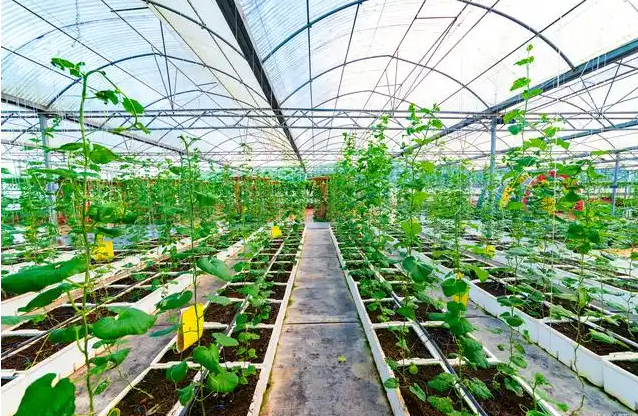
Firstly, in greenhouse cultivation, maintaining an optimal temperature and humidity level is vital. The recorder continuously monitors the internal environment of the greenhouse. For example, during the growth period of vegetables like tomatoes and cucumbers, a stable temperature range of around 20 - 25°C and relative humidity of 60% - 80% is preferable. If the temperature rises above the suitable level, it can lead to excessive transpiration in plants, causing wilting and reduced photosynthesis efficiency. The recorder promptly detects such changes, enabling farmers to take immediate actions, such as opening ventilation systems, spraying water for cooling, or adjusting heating equipment in cold weather.
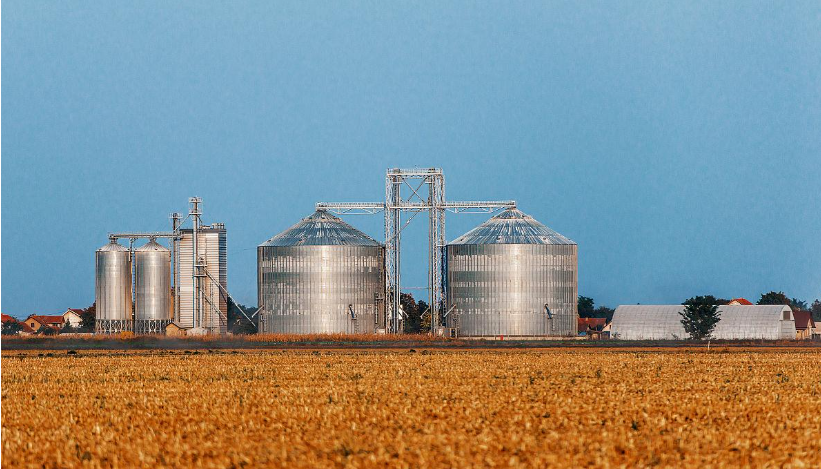
 Secondly, in the storage of agricultural products, temperature and humidity control is equally important. Grains, for instance, are susceptible to mold growth and insect infestation if stored in a damp and warm environment. A temperature and humidity recorder placed in the storage facility helps to maintain the ideal conditions. By keeping the temperature at around 15°C and relative humidity below 65%, the shelf life of grains can be extended, reducing post-harvest losses significantly.
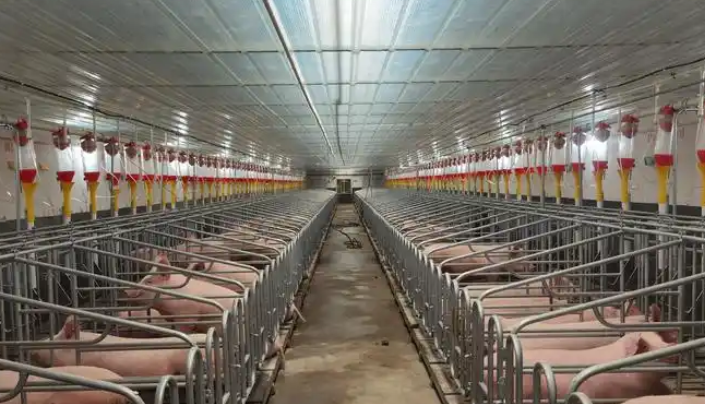
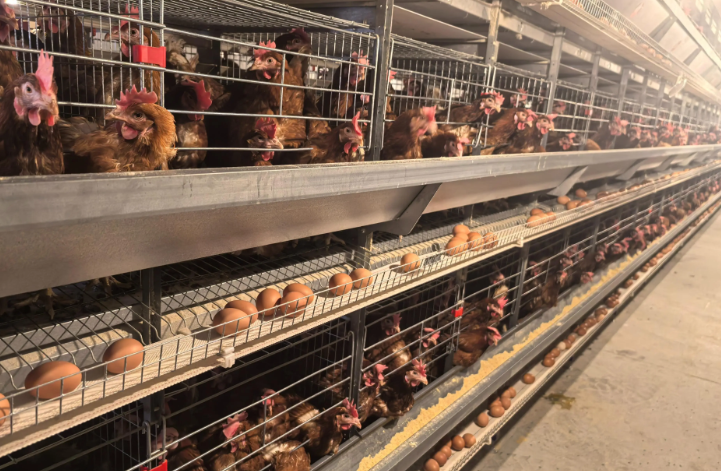
 Moreover, in livestock farming, these recorders contribute to creating a comfortable living environment for animals. Poultry farms, for example, require appropriate temperature and humidity for the healthy growth of chickens. If the temperature is too high, chickens may experience heat stress, resulting in decreased egg production and poor growth. The recorder allows farmers to adjust the ventilation, cooling, or heating systems in a timely manner to ensure the well-being of the livestock.
 In conclusion, temperature and humidity recorders have revolutionized agricultural production. They provide accurate and real-time data, empowering farmers to make informed decisions. By precisely controlling the environmental conditions, farmers can enhance crop yields, improve the quality of agricultural products, and reduce losses. As technology continues to advance, we can expect even more sophisticated applications of these recorders in the agricultural sector, further promoting sustainable and efficient farming.
Copyright © 2012-2021 Apresys all rights reserved