time:2025-09-28 16:53:41Views:
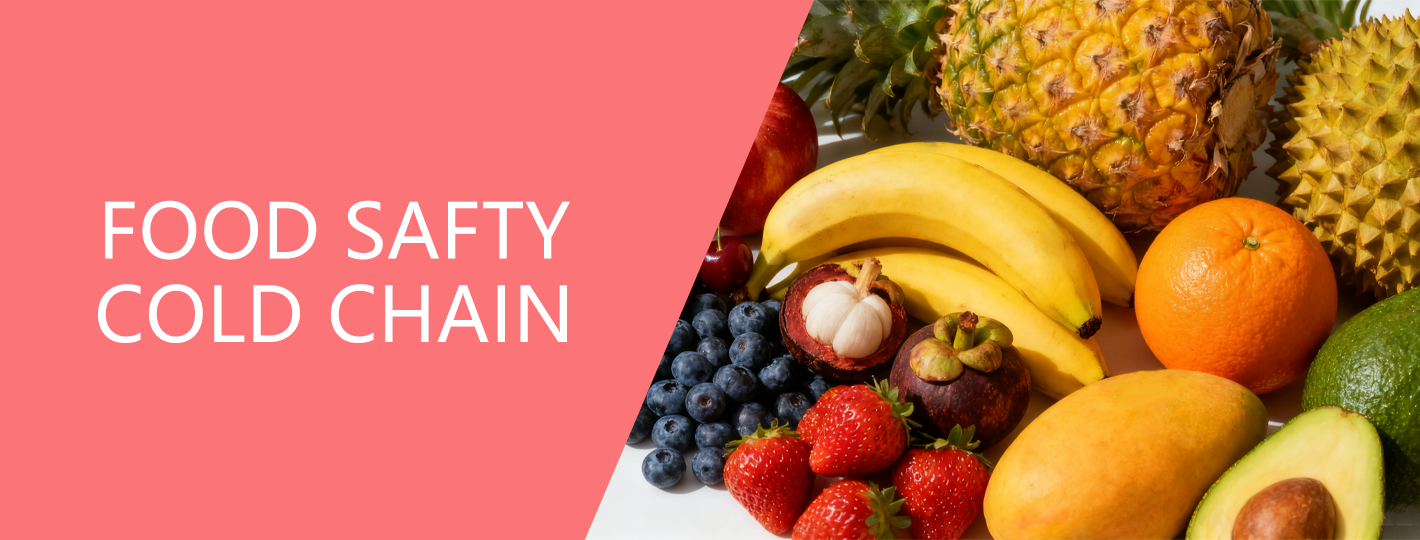
Temperature Data Loggers have become an indispensable tool in the food industry, serving as a critical line of defense to ensure food safety, quality, and regulatory compliance throughout the entire supply chain. Their ability to continuously monitor and document temperature changes plays a pivotal role in preventing foodborne illnesses and reducing waste.
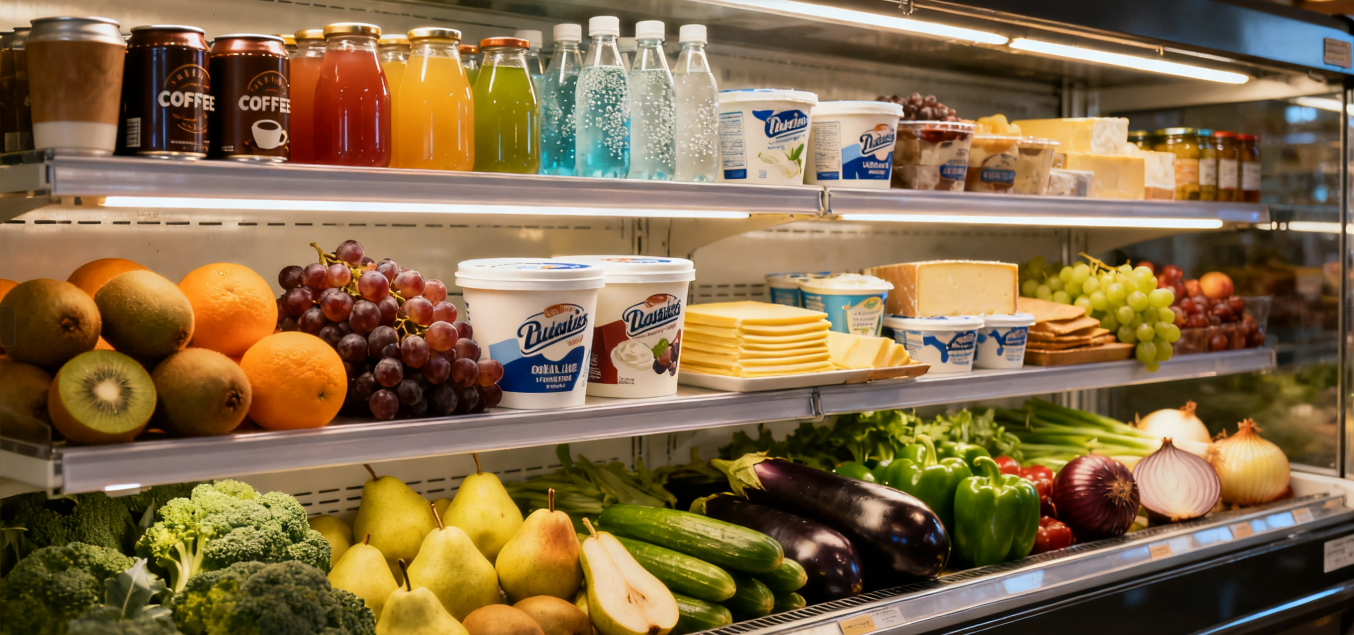
One of the primary functions of temperature Data Loggers is to safeguard perishable foods during transportation and storage. Products like meat, dairy, seafood, and fresh produce require strict temperature control—typically between 0°C and 4°C for refrigeration or below -18°C for freezing. These devices automatically track temperature fluctuations in trucks, cold storage rooms, or shipping containers, providing real-time data alerts if temperatures deviate from safe ranges. This allows logistics teams to take immediate action, such as adjusting cooling systems or rerouting shipments, to prevent spoilage.
In food processing facilities, temperature Data Loggers are essential for maintaining consistency and meeting quality standards. For example, during pasteurization of milk or cooking of ready-to-eat meals, precise temperature monitoring ensures that harmful bacteria like Salmonella or E. coli are eliminated. The recorded data also serves as a reliable audit trail, which is crucial for complying with regulations set by authorities like the FDA (U.S. Food and Drug Administration) or EFSA (European Food Safety Authority). In case of a food safety incident, these records help trace the source of the problem quickly, minimizing risks to consumers.
Additionally, temperature Data Loggers contribute to reducing food waste, a major global challenge. By providing accurate temperature histories, they help businesses identify inefficiencies in their cold chain—such as faulty equipment or delayed deliveries—that lead to spoilage. With this data, companies can optimize their processes, extend the shelf life of products, and cut down on unnecessary waste, which benefits both the environment and their bottom line.

In summary, temperature Data Loggers are more than just monitoring devices; they are a cornerstone of a safe, efficient, and compliant food industry. Their role in preserving food quality, protecting consumer health, and supporting sustainable practices makes them essential for every stage of the food supply chain.
Copyright © 2012-2021 Apresys all rights reserved